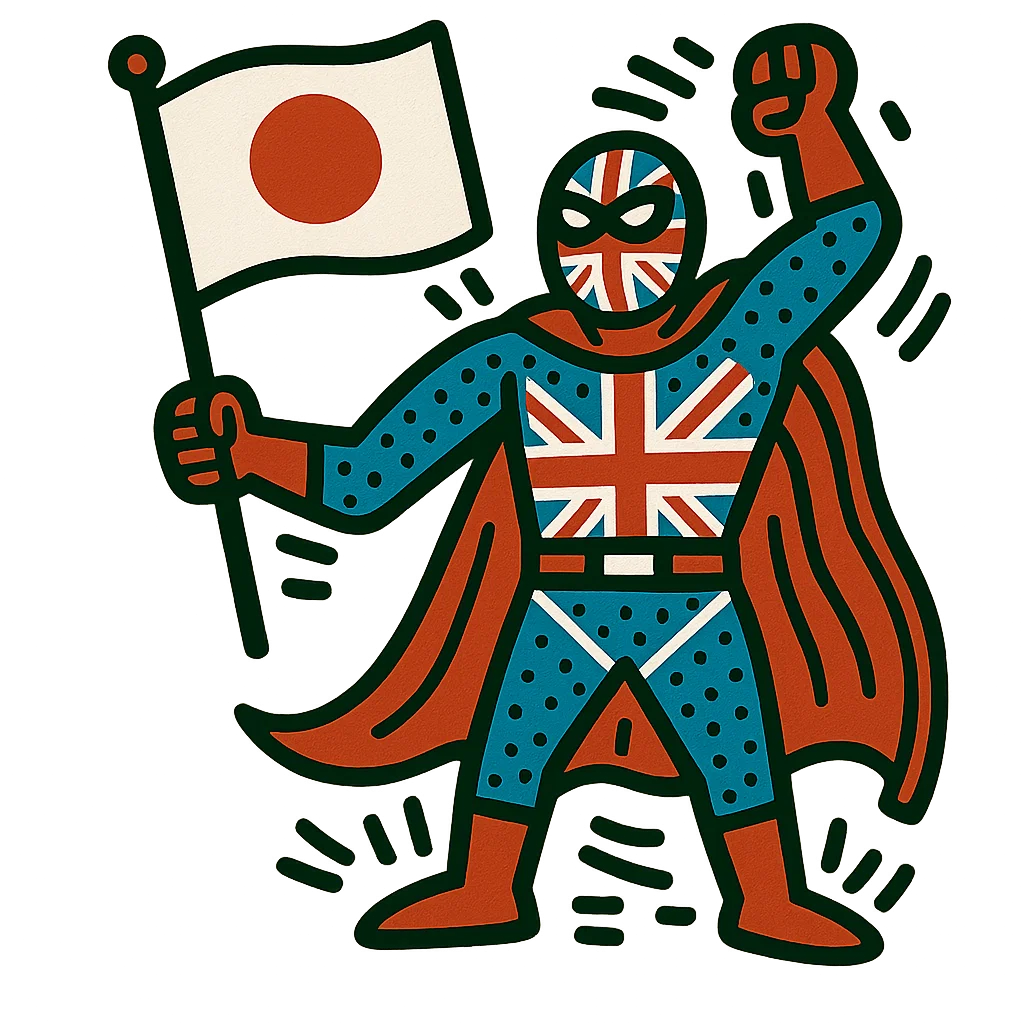
Top 10 Mistakes Japanese Learners Make When Learning English
Japanese borrows many words from English (Katakana), but the meanings often change! This creates "Japanglish" words that confuse native speakers. Here are the top mistakes to watch out for.
Top 10 Mistakes
1
❌ Typical learner sentence:
"I live in a mansion."
🤔 Why learners say this:
In Japan, 'mansion' (manshon) means a concrete apartment block. In English, it means a giant luxury palace for millionaires.
🇬🇧 What it sounds like to a Brit:
Like you are incredibly rich and live in a castle with 50 bedrooms.
✅ Natural English version:
"I live in an apartment / flat."
2
❌ Typical learner sentence:
"I played with my friends." (Adults)
🤔 Why learners say this:
Japanese 'asobu' covers both children playing and adults socializing. In English, 'play' is only for kids or sports/games.
🇬🇧 What it sounds like to a Brit:
Like you met your friends in a sandpit with toys. Very childish!
✅ Natural English version:
"I hung out with my friends."
3
❌ Typical learner sentence:
"I want to eat Viking style."
🤔 Why learners say this:
In Japan, 'Viking' (baikingu) means an all-you-can-eat buffet.
🇬🇧 What it sounds like to a Brit:
Like you want to dress up as a warrior, attack a village, and eat meat off the bone!
✅ Natural English version:
"I want to go to a buffet."
🎯 Practice: Which Word?
You are an adult meeting friends for coffee. You say:
A) I am playing with friends
B) I am hanging out with friends
4
❌ Typical learner sentence:
"My tension is high!"
🤔 Why learners say this:
In Japanese, 'High Tension' means excited/energetic. In English, 'tension' means stress or conflict.
🇬🇧 What it sounds like to a Brit:
Like you are incredibly stressed out and about to explode with anger.
✅ Natural English version:
"I am so excited!" / "I am hyper!"
5
❌ Typical learner sentence:
"He is very smart." (Meaning slim)
🤔 Why learners say this:
Japanese 'sumaato' usually means slender/stylish. English 'smart' means intelligent.
🇬🇧 What it sounds like to a Brit:
You are talking about his brain (IQ), not his body shape.
✅ Natural English version:
"He is slim / slender."
6
❌ Typical learner sentence:
"I made a claim to the staff."
🤔 Why learners say this:
Japanese 'kureemu' (claim) means a complaint. English 'claim' means to state a fact or demand ownership.
🇬🇧 What it sounds like to a Brit:
Confusing. 'Making a claim' sounds like an insurance process.
✅ Natural English version:
"I made a complaint."
🎯 Practice: Fix the Sentence
"I live in a small mansion in Tokyo."
7
❌ Typical learner sentence:
"I challenge to speak English."
🤔 Why learners say this:
Japanese 'charenji' means 'to try'. English 'challenge' means to compete or dispute.
🇬🇧 What it sounds like to a Brit:
Like you are starting a fight with the English language.
✅ Natural English version:
"I will try to speak English."
8
❌ Typical learner sentence:
"I ate a Fried Potato."
🤔 Why learners say this:
Japanese 'furaido poteto' is the word for fries.
🇬🇧 What it sounds like to a Brit:
Like you ate one single, whole potato that was fried.
✅ Natural English version:
"I ate some chips (UK) / fries (US)."
9
❌ Typical learner sentence:
"Don't mind!"
🤔 Why learners say this:
Used in Japan to say "Don't worry about it." In English, 'Don't mind' is incomplete.
🇬🇧 What it sounds like to a Brit:
Broken English. We say "Never mind" or "Don't worry."
✅ Natural English version:
"Never mind!" / "Don't worry!"
10
❌ Typical learner sentence:
"I want to rewrite my career."
🤔 Why learners say this:
Katakana 'kyaria' usually refers to work history. English 'career' is your whole life path. Often confused with CV/Resume.
🇬🇧 What it sounds like to a Brit:
Like you want to travel back in time and change your life. You probably mean your CV.
✅ Natural English version:
"I want to rewrite my CV."
🎯 Practice: Fix the Sentence
"My tension is high because I played with friends!"
Ready to Perfect Your English?
English lessons online with a native English speaker on Zoom, Teams, and Google Meet
Let's SPEAK English!