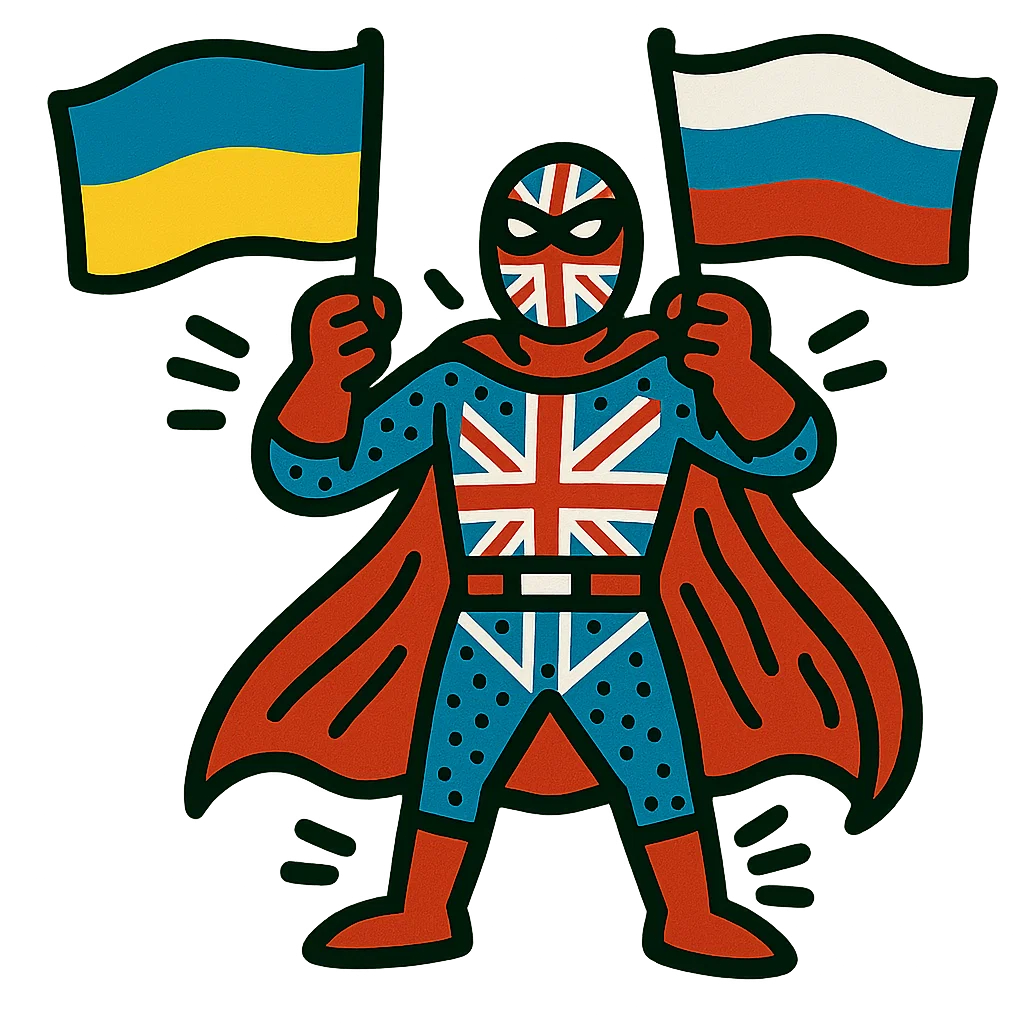
I imagine most of you, like me, are going crazy stuck indoors in these difficult times trying to entertain yourself in any possible way until hopefully soon life goes back to normal. Over the last month or so – back in the normal world – I started making a list of words Russian and Ukrainian speakers who are learning English use when there is a more common alternative or more appropriate word. I’ve taken these words and put them head-to-head in 10 rounds, just like in a fight, and just like we are fighting the coronavirus now…
Note: there are other meanings to the words below, but I’ve limited them to the ones I often hear.
Round 1: Gossip vs Rumour
Gossip (v,n): People talking to each other about something unlikely to be true.
Examples: They are always gossiping / She loves to gossip.
Rumour (n): When one person tells others something that usually isn’t true.
Examples: It’s just a rumour. It won’t happen / There’s a rumour going around that…
Russian / Ukrainian Tip: The phrase you most often need is “It’s just a rumour.”
Winner: Rumour
Round 2: Nervous vs Annoyed
Nervous (adj): A feeling of worry before something happens.
Annoyed (adj): Something makes you slightly angry.
RU/UA Tip: Be aware of the situation before using nervous.
Winner: Annoyed
Round 3: Trauma vs Injury
Trauma: A formal medical word for injury.
Injury: When you hurt yourself. Used often as “injured.”
RU/UA Tip: Unless you’re a doctor… use injury/injured.
Winner: Injury
Round 4: Sensitive vs Sensible
Sensitive: Emotionally affected easily.
Sensible: Thinks about actions before doing them.
RU/UA Tip: Get comfortable using sensible more.
Winner: Both
Round 5: Fun vs Funny
Fun: Enjoyable.
Funny: Makes you laugh.
RU/UA Tip: Don’t be afraid to use fun.
Winner: Fun
Round 6: Episode vs Series
Episode: One part of a series.
Series: Collection of episodes. (Season = American word)
RU/UA Tip: Be careful — “I watched a series” ≠ “episode”.
Winner: Episode
Round 7: Translation vs Broadcast
Translation: Converting one language to another.
Broadcast: Sending TV or radio signals.
RU/UA Tip: Broadcast is formal — “show” is often better.
Winner: Broadcast
Round 8: Borrow vs Lend vs Give
Borrow = goes two ways
Lend = someone gives to you temporarily
Give = one-way
Could I borrow…
Could you lend me…
Could you give me…
I’m borrowing FROM
I’m lending TO
Round 9: Look after vs Take care
Look after: Monitor someone and make sure they're OK.
Take care: Provide medical or financial help.
RU/UA Tip: Most of the time you need “look after”.
Winner: Look after
Round 10: Lost vs Forgot
Lost: You don’t know where something is.
Forgot: You know where something is, but you don’t have it when needed.
RU/UA Tip: Remember: “You’ve forgotten your…” and “You’ve dropped your…”
Winner: Both
Bonus Round
Go shopping: Buy everything except food.
Do shopping: Buy food.
You can find PART TWO HERE…
Native Speaker Online – English lessons with a native English speaker who specialises in working with Russian and Ukrainian students.