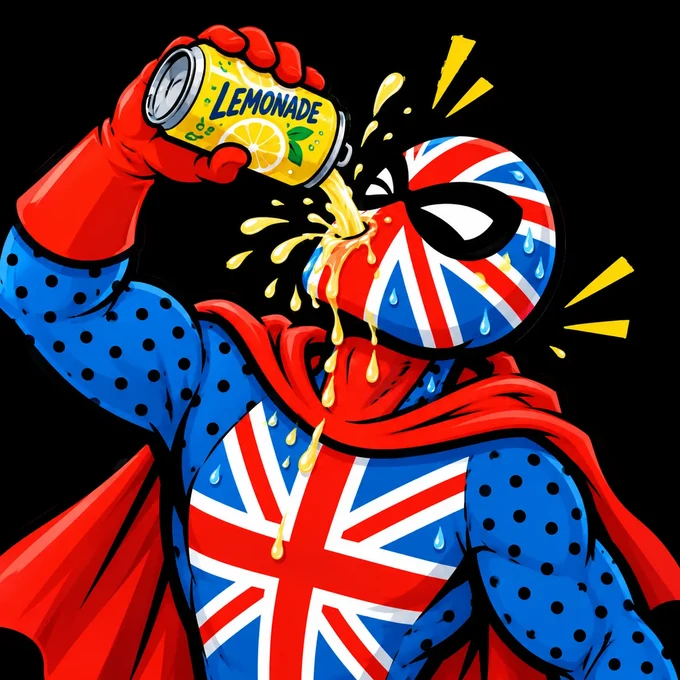
In English, simply saying "he drank his tea" or "she drank some water" gets the basic message across, but it misses all the colour, emotion, and atmosphere of the moment.
Did they take a cautious, gentle mouthful of scalding tea? Did they swallow half a bottle of water in a desperate, breathless rush after a workout? Or did their mates chant at them to finish an entire pint in five seconds at the pub?
The English language is packed with rich, evocative verbs that paint an instant picture of how someone drinks—revealing their mood, speed, manners, and thirst. Here are 12 essential verbs and expressions to describe how someone drank something like a true native speaker.
☕ Slow, Delicate & Measured
1. To Sip
Sipping is the universal verb for hot beverages (fresh tea, black coffee) or expensive, strong drinks (fine malt whisky, red wine). It conveys care, calm, and moderation.
2. To Nurse (a drink)
A staple of British pub culture! When someone is pacing themselves, on a tight budget, or having a quiet catch-up, they'll "nurse their drink" rather than ordering round after round.
💦 Fast, Thirsty & Breathless
3. To Gulp / Gulp down
A gulp is both the action and the sound of swallowing a big mouthful. In figurative English, people also gulp when they are nervous or frightened (swallowing hard before delivering bad news).
4. To Chug
Very popular in modern everyday English. Often used when drinking straight from a can or bottle in one rapid, rhythmic session.
5. To Guzzle
Suggests indulgence or slight greed. Fun language fact: This verb is where the phrase "gas-guzzler" comes from to describe heavy cars that consume huge amounts of petrol!
🍺 British Pub & Night Out Classics
6. To Down / Down it in one
The quintessential British pub term. Whenever someone is challenged on a birthday or stag do, you will undoubtedly hear the crowd chanting: "Down it in one! Down it in one!"
7. To Neck
Very informal British slang. It literally visualises throwing the liquid down your neck! You'll hear it constantly on weekend nights out, music festivals, and student unions.
8. To Knock back
Often used for spirits, shots, or pints. It hints at a lively party atmosphere where drinks are being consumed with great momentum.
9. To Sink (a drink / a pint)
A classic colloquial British collocation. Saying you're going to "sink a pint" feels effortless, friendly, and very natural.
👅 Sound, Sensory & Refreshment
10. To Swig
Commonly used as both a verb ("to swig") and a noun ("give me a swig of your water"). It implies drinking casually on the move without a glass.
11. To Slurp
Unlike in some Asian cultures where slurping noodles or broth shows appreciation to the chef, in traditional British etiquette slurping your drink is viewed as poor table manners—though people often do it accidentally when tea is boiling hot!
12. To Quench (one's thirst)
A more formal, poetic collocation ("quench your thirst"). You'll frequently encounter it in restaurant menus, food reviews, and literature.
💡 Quick Summary Table: Which Verb When?
Next time you describe someone having a beverage, match the verb to the context:
- Hot tea / coffee / fine wine: Sip (or nurse if you're lingering).
- Gym / running / dying of thirst: Gulp down, swig, or chug.
- Fun Friday night at the pub: Neck, knock back, sink, or down it.
- Annoying your coworkers: Slurping noisily!
Next time you're enjoying a cuppa or a pint, try using these descriptive verbs to make your spoken English sound richer and far more vivid!
